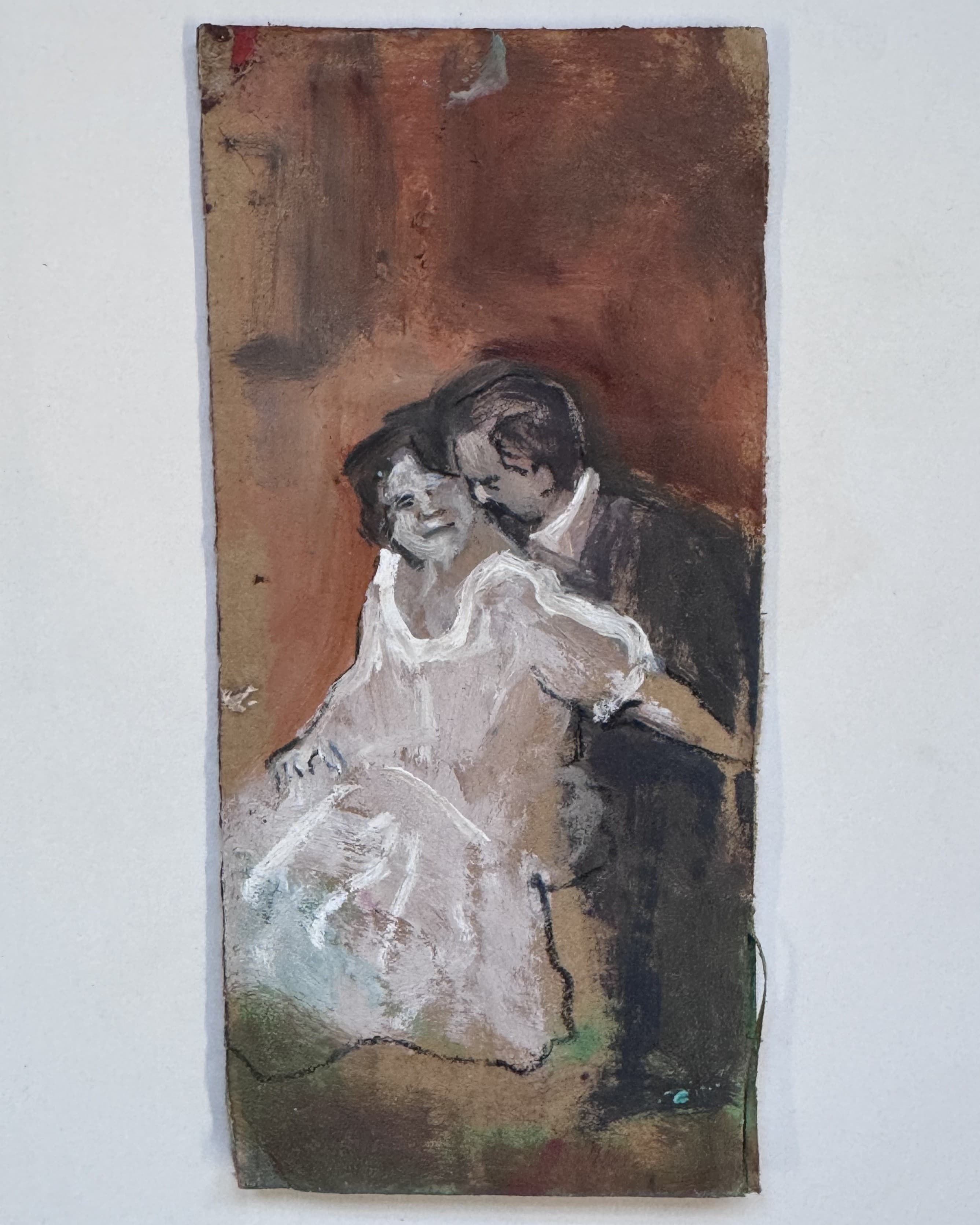
£40

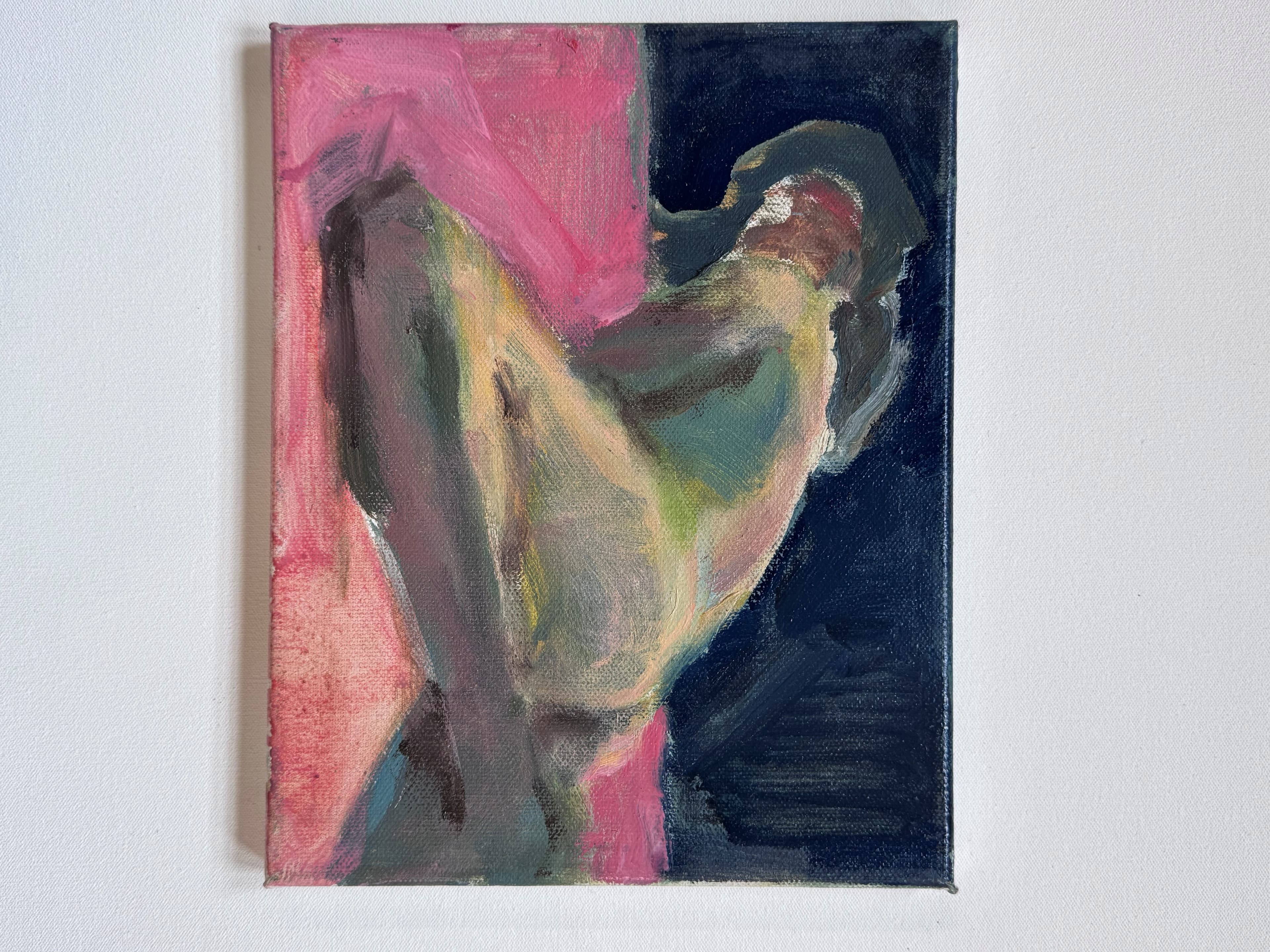
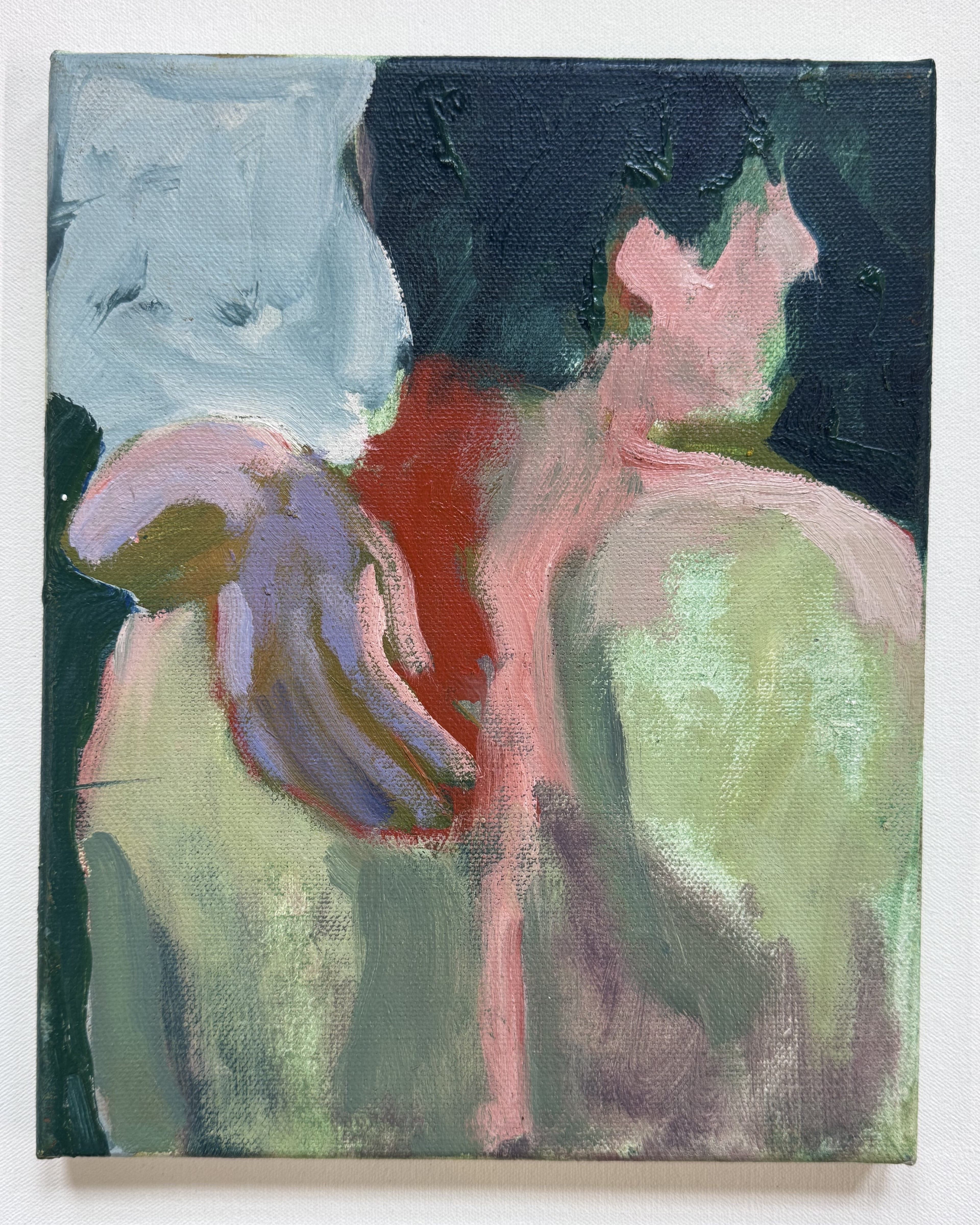
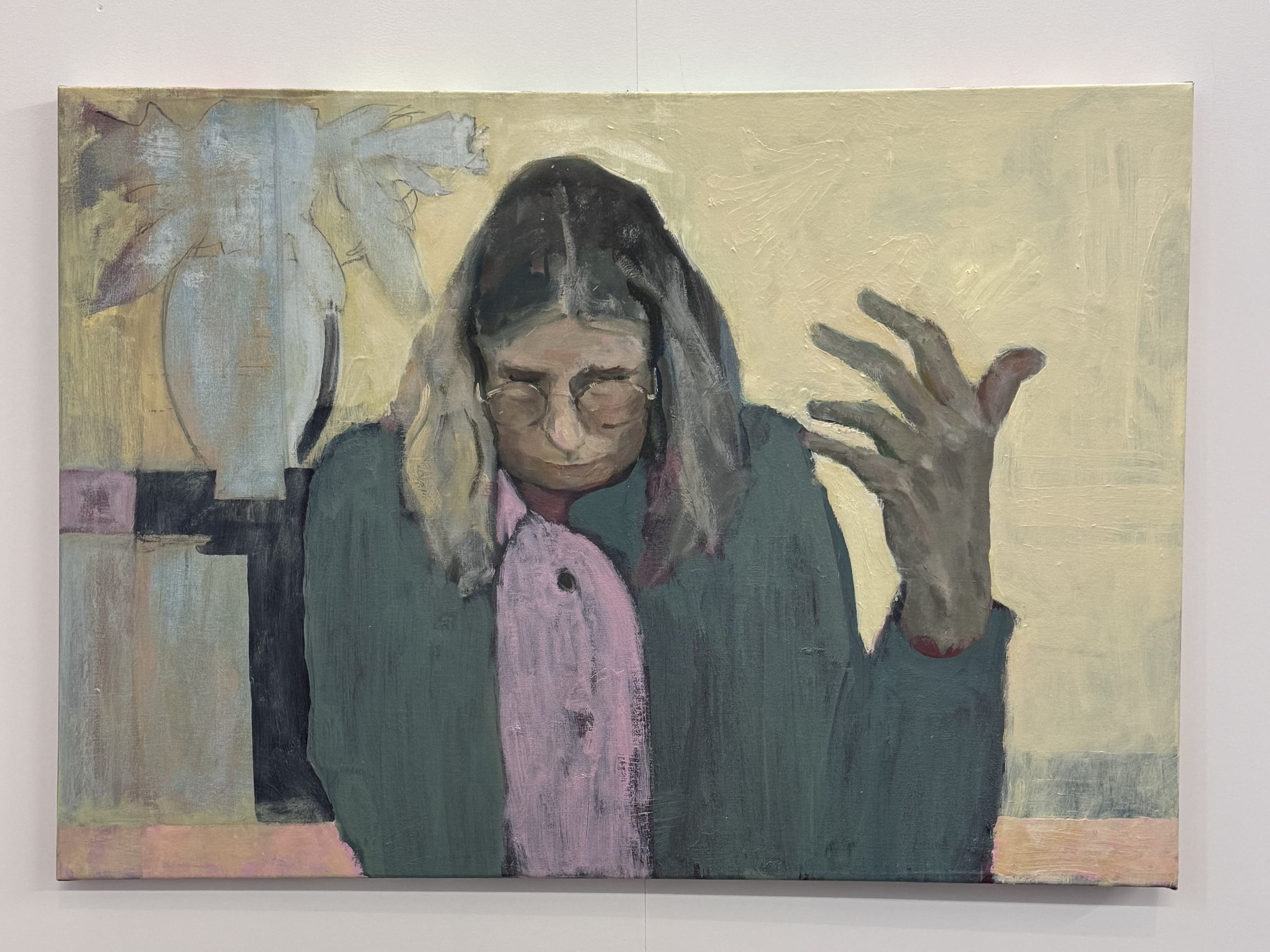
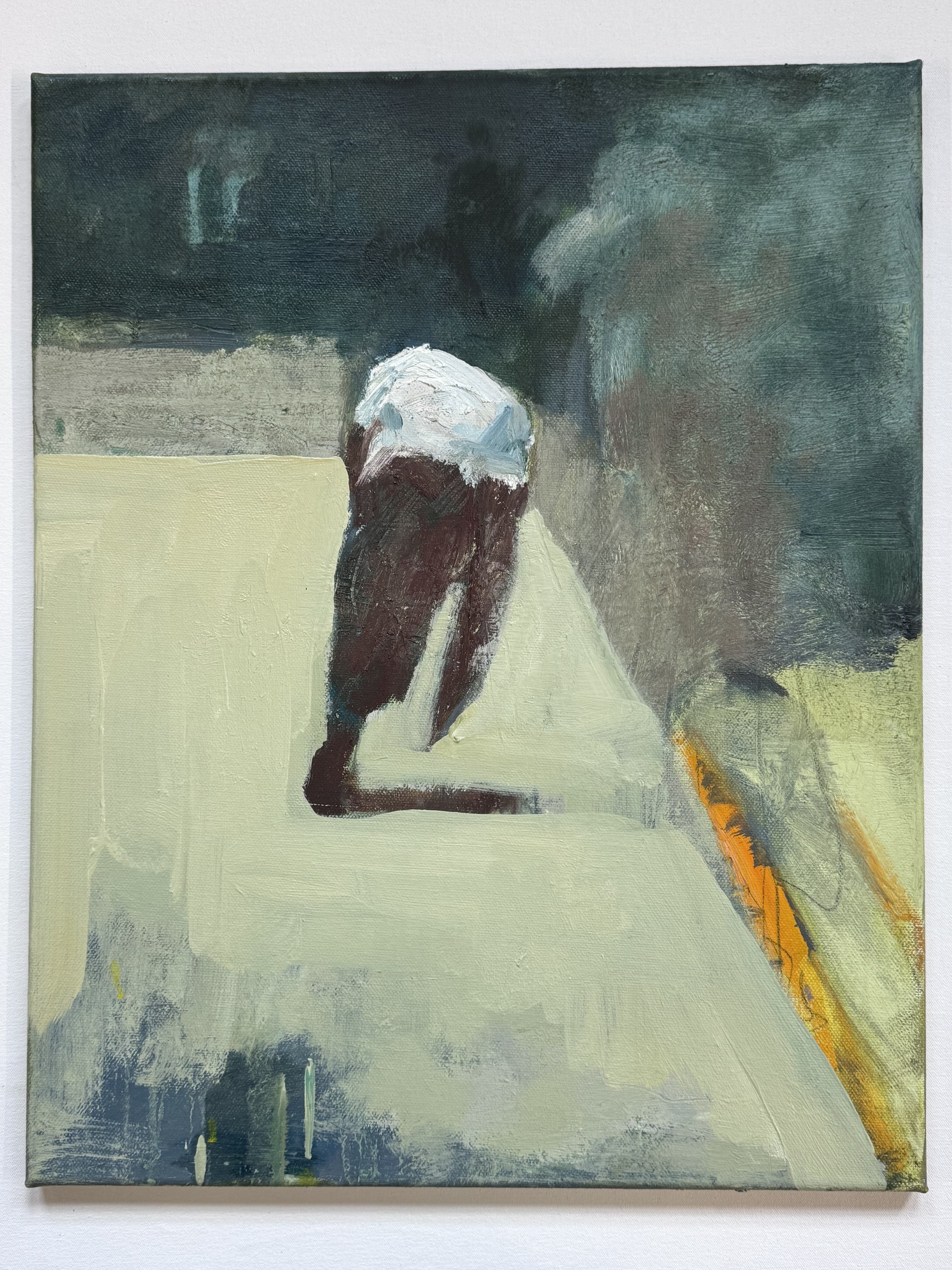
New concepts, compositions and colour combinations are born equally from design and accident. Planned methods can be abandoned. Days instead spent working instinctively upon the canvas.
A winter of discontent in 1987 saw Dior leave Norwich School of Art prematurely to pursue a life in music. Thirty years later, his career came to an abrupt end, compromised by sudden deafness. Recognising the need for creatives to create, Dior enrolled at London's Essential School of Painting. The love affair with paint had become full circle. An immediate identification of ‘the self’ and direction followed, armed with the knowledge of a life well-lived. Much of his influence comes from the 'London Set' of the late 20th Century: Freud, Bacon, Hamilton, Kitaj, Andrews and Hockney.
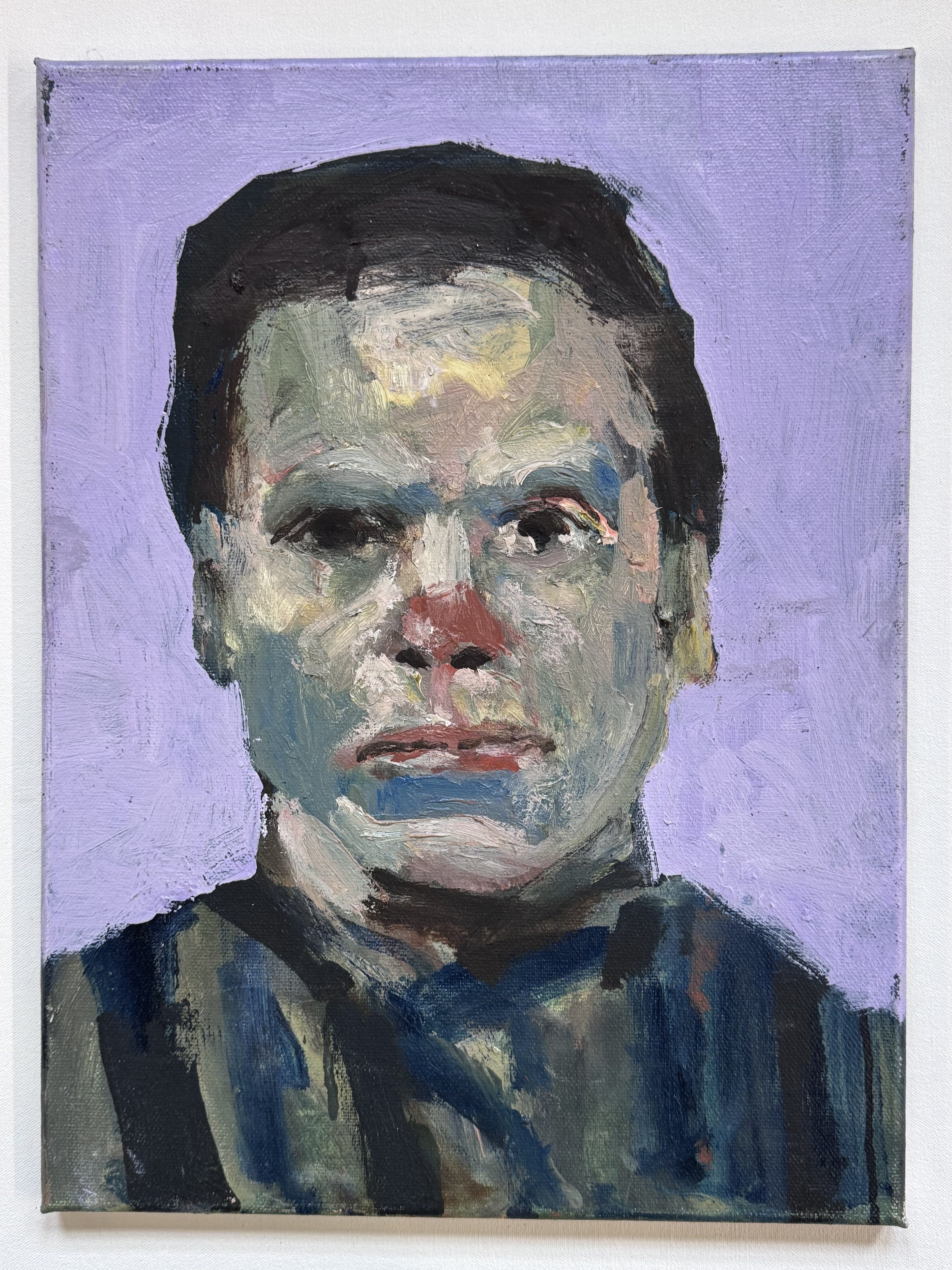
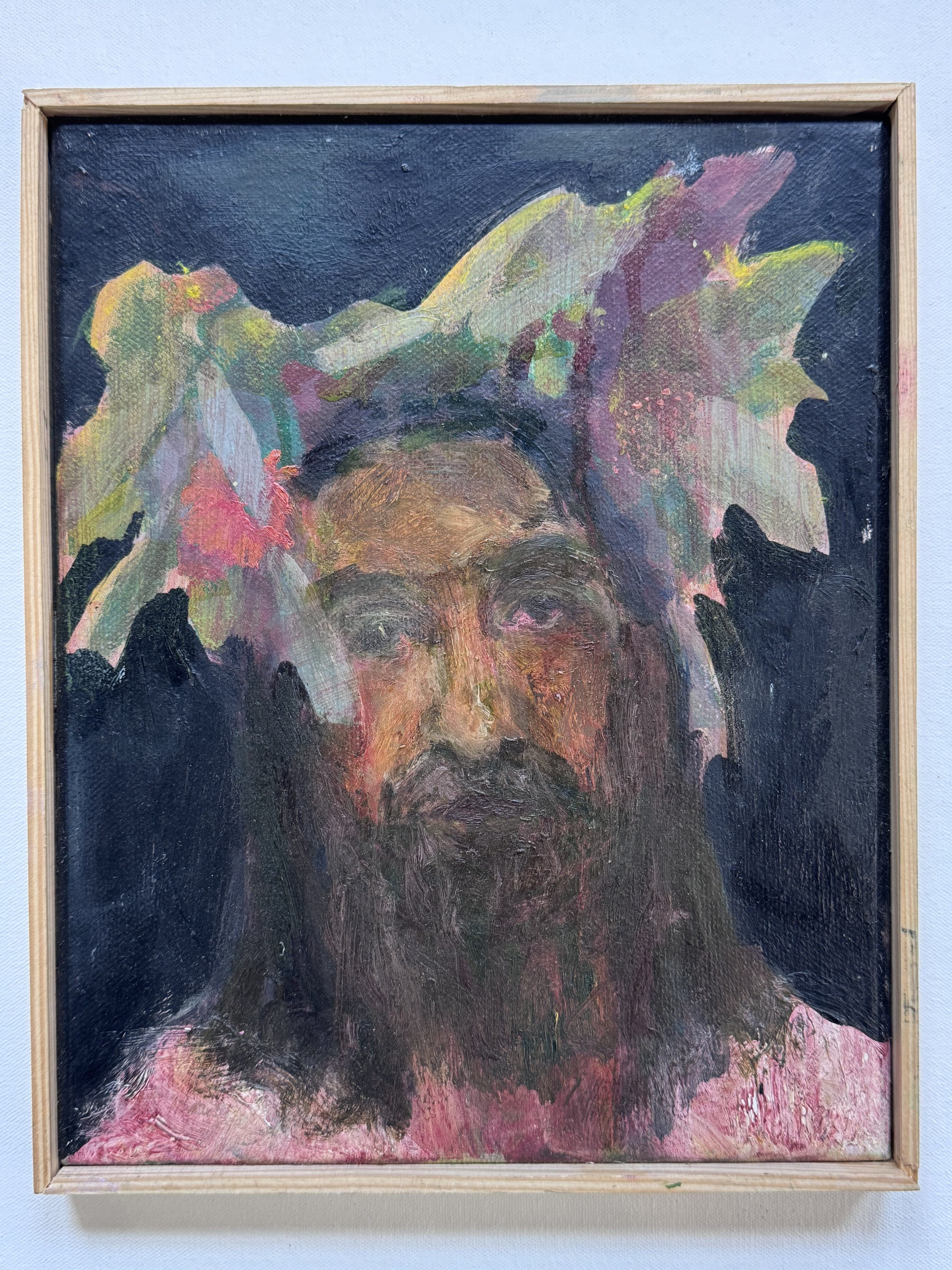
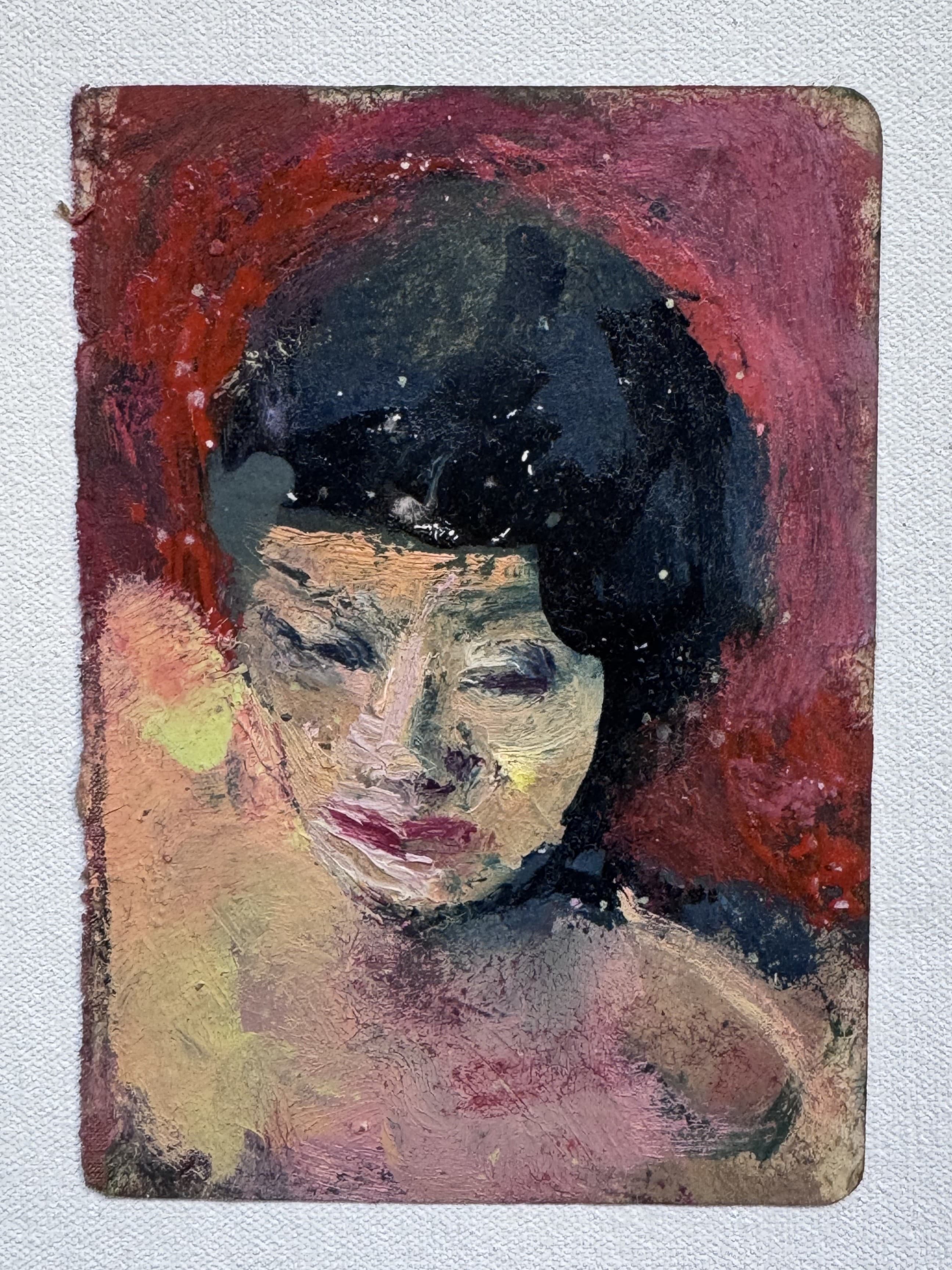
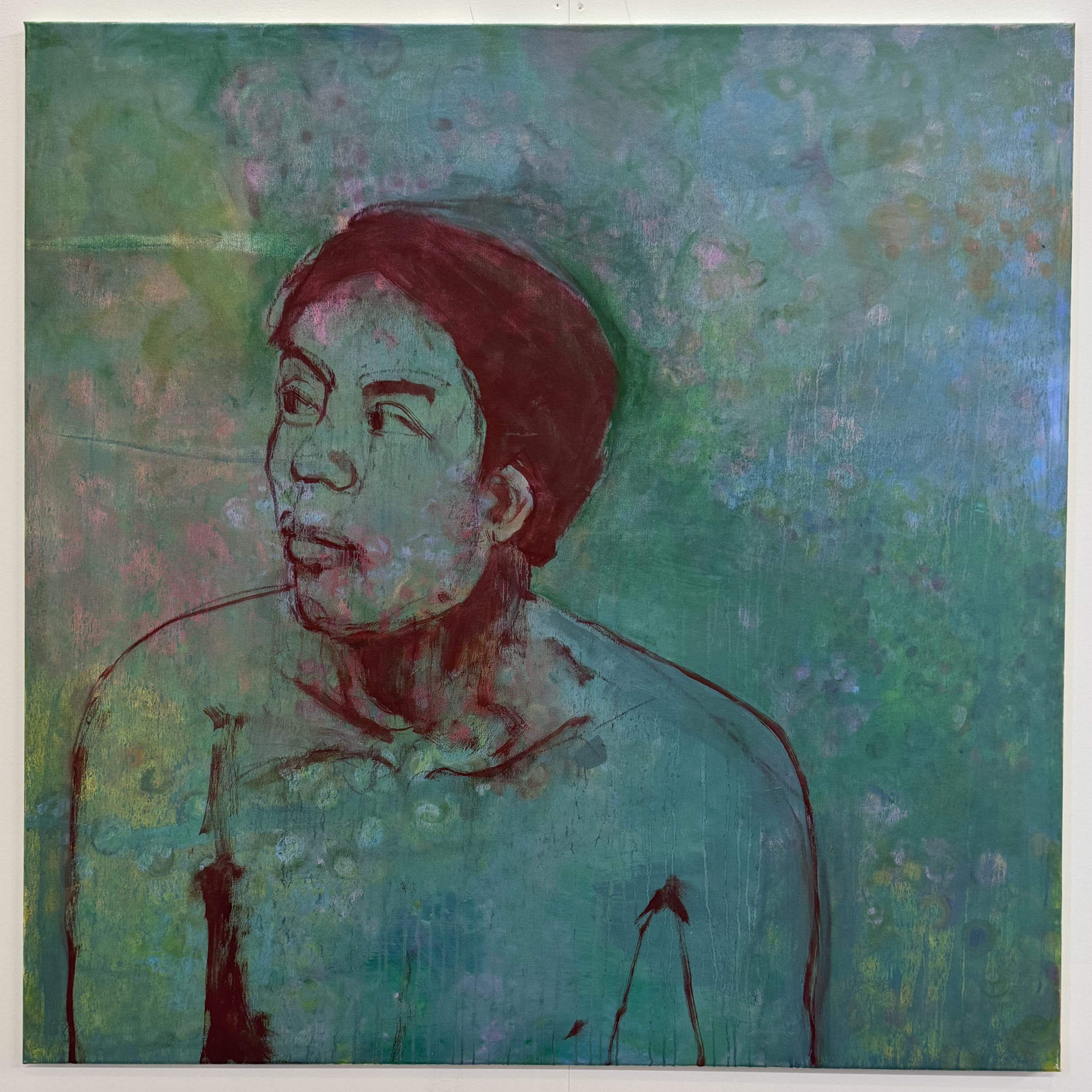
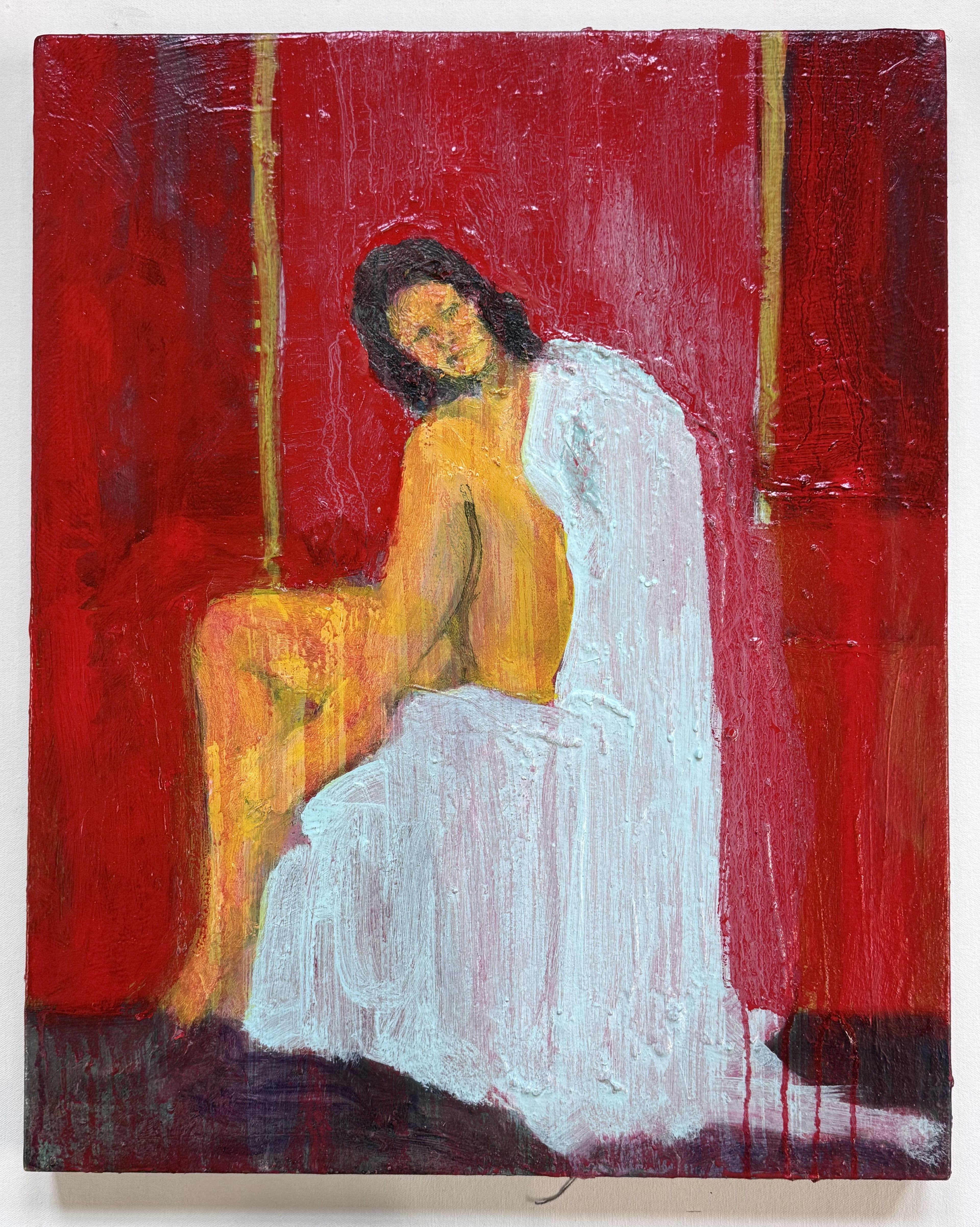
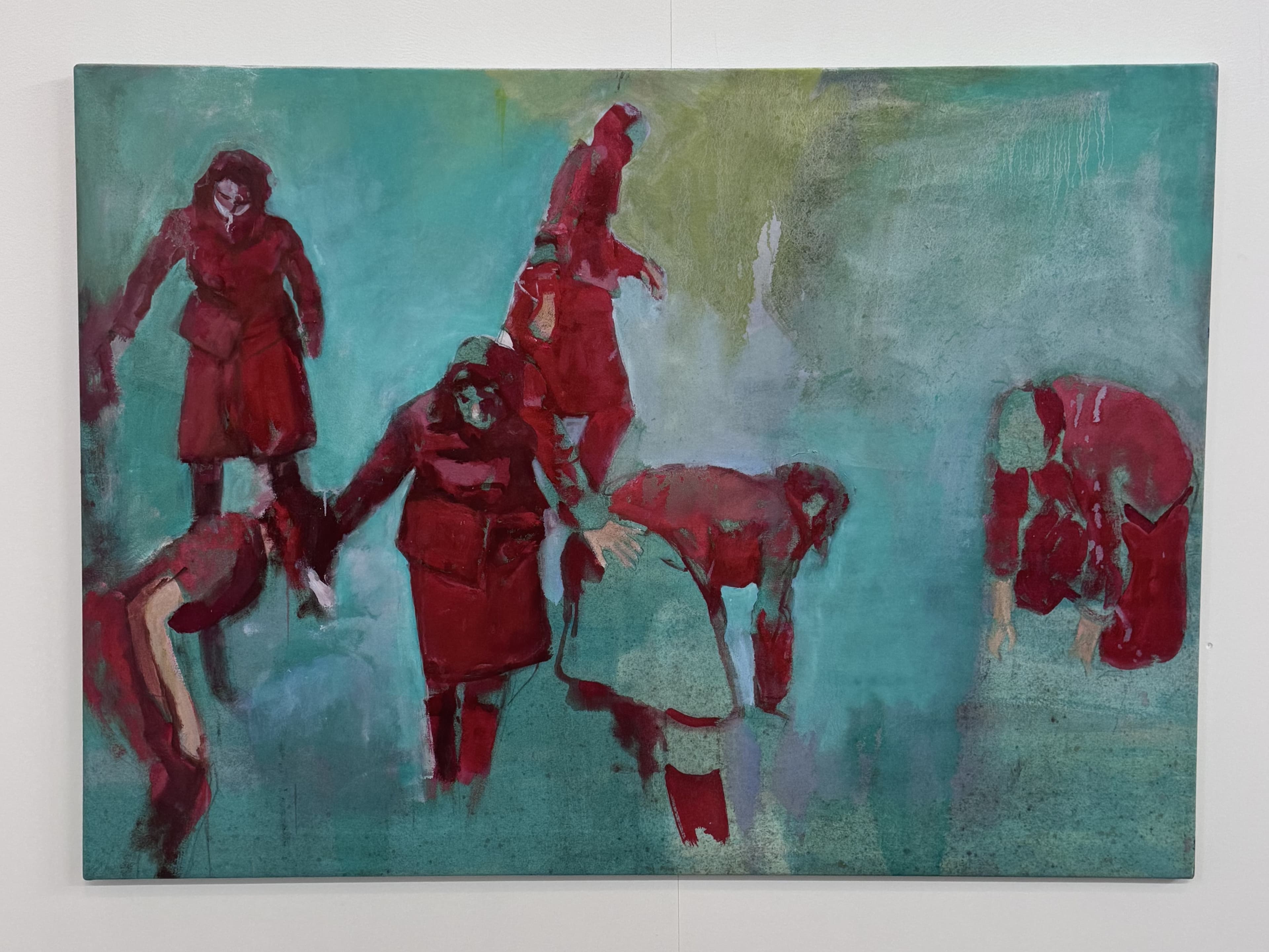
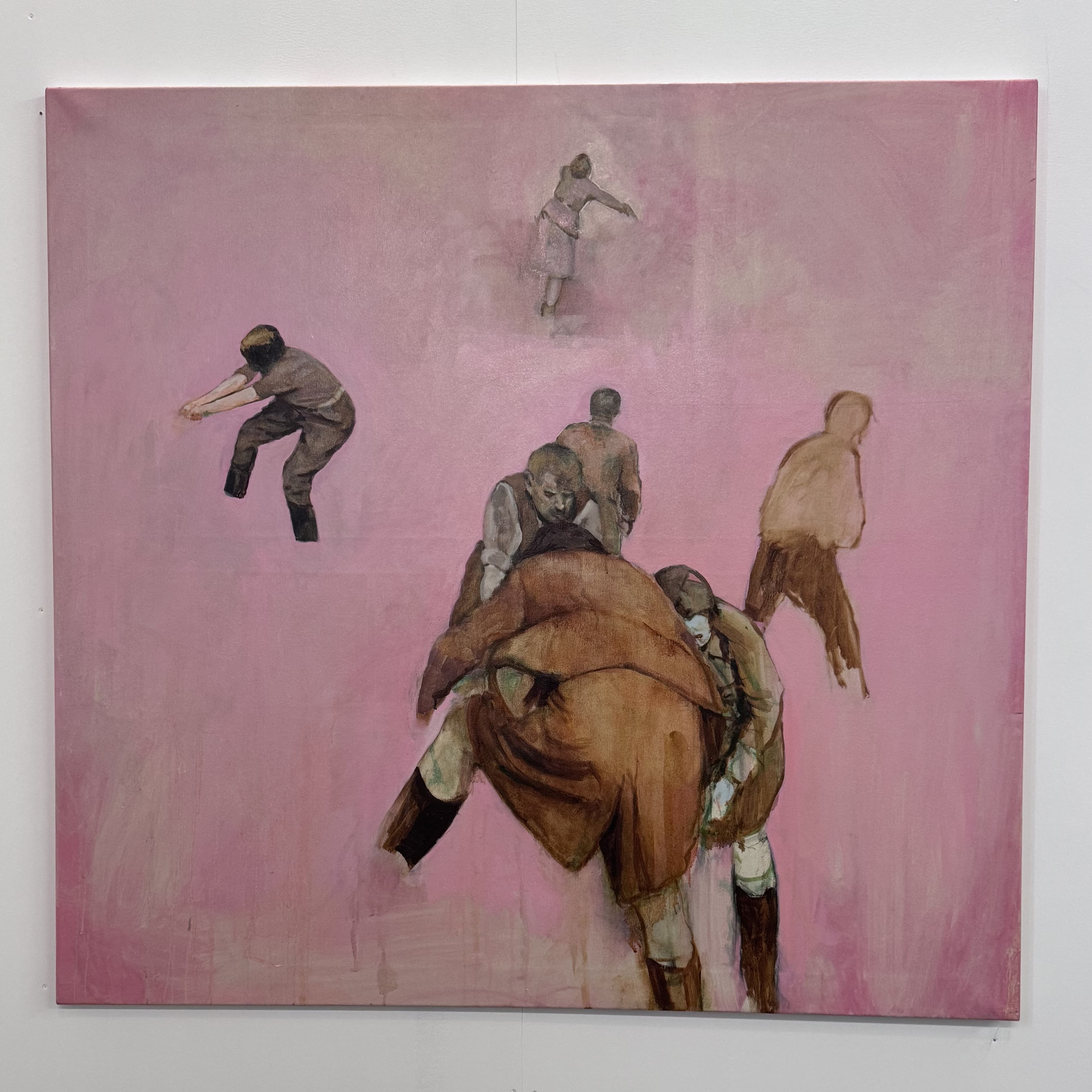
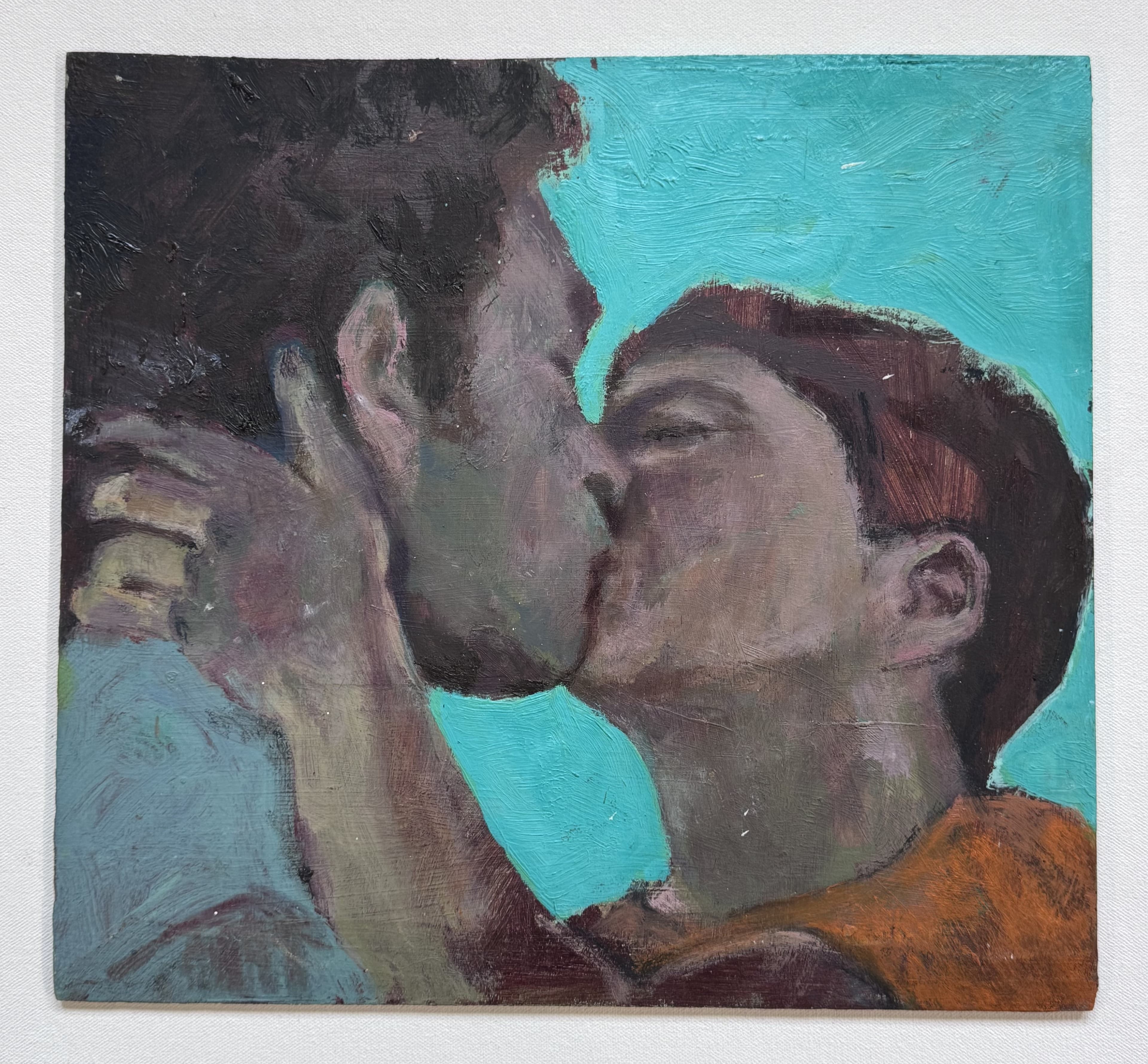
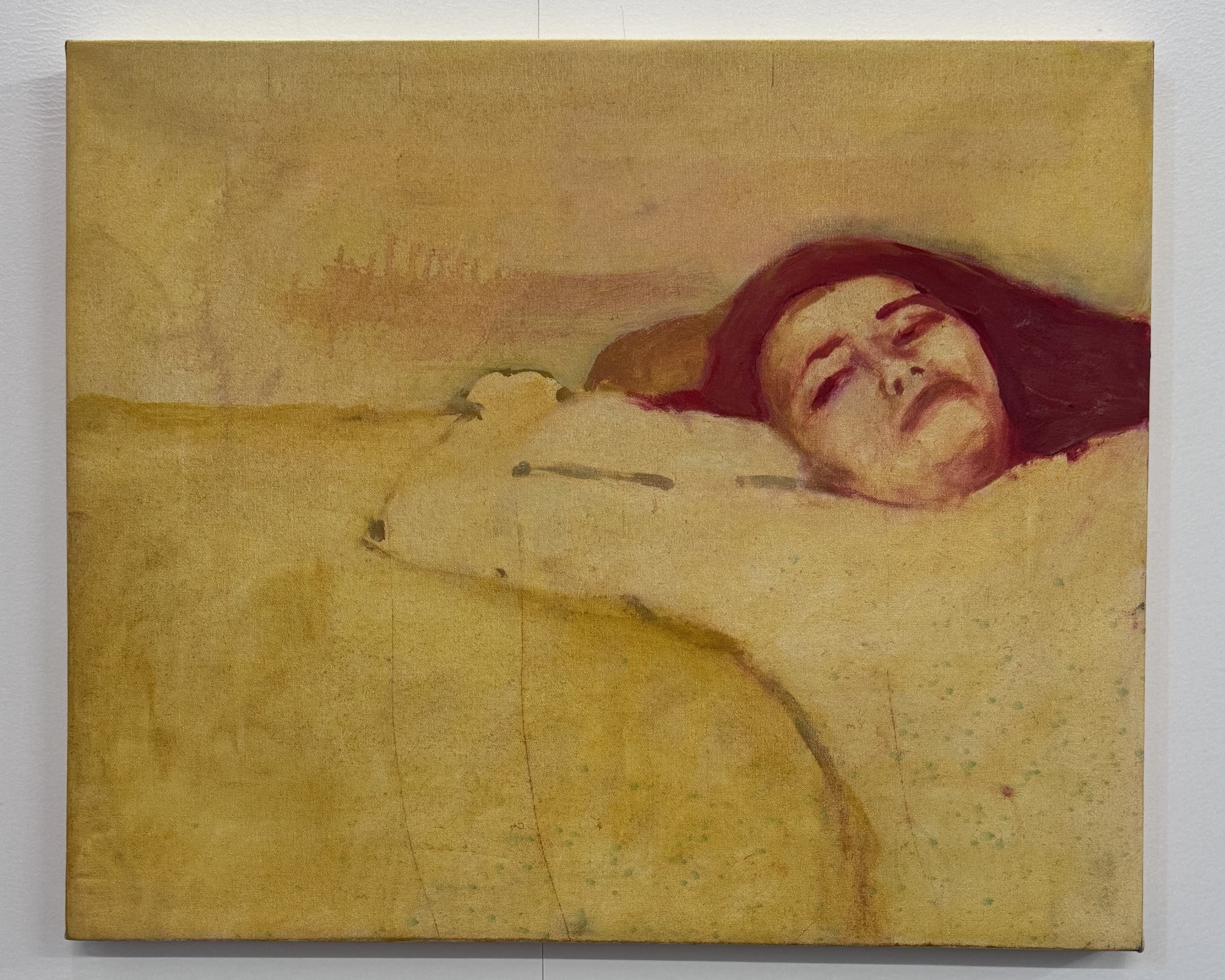
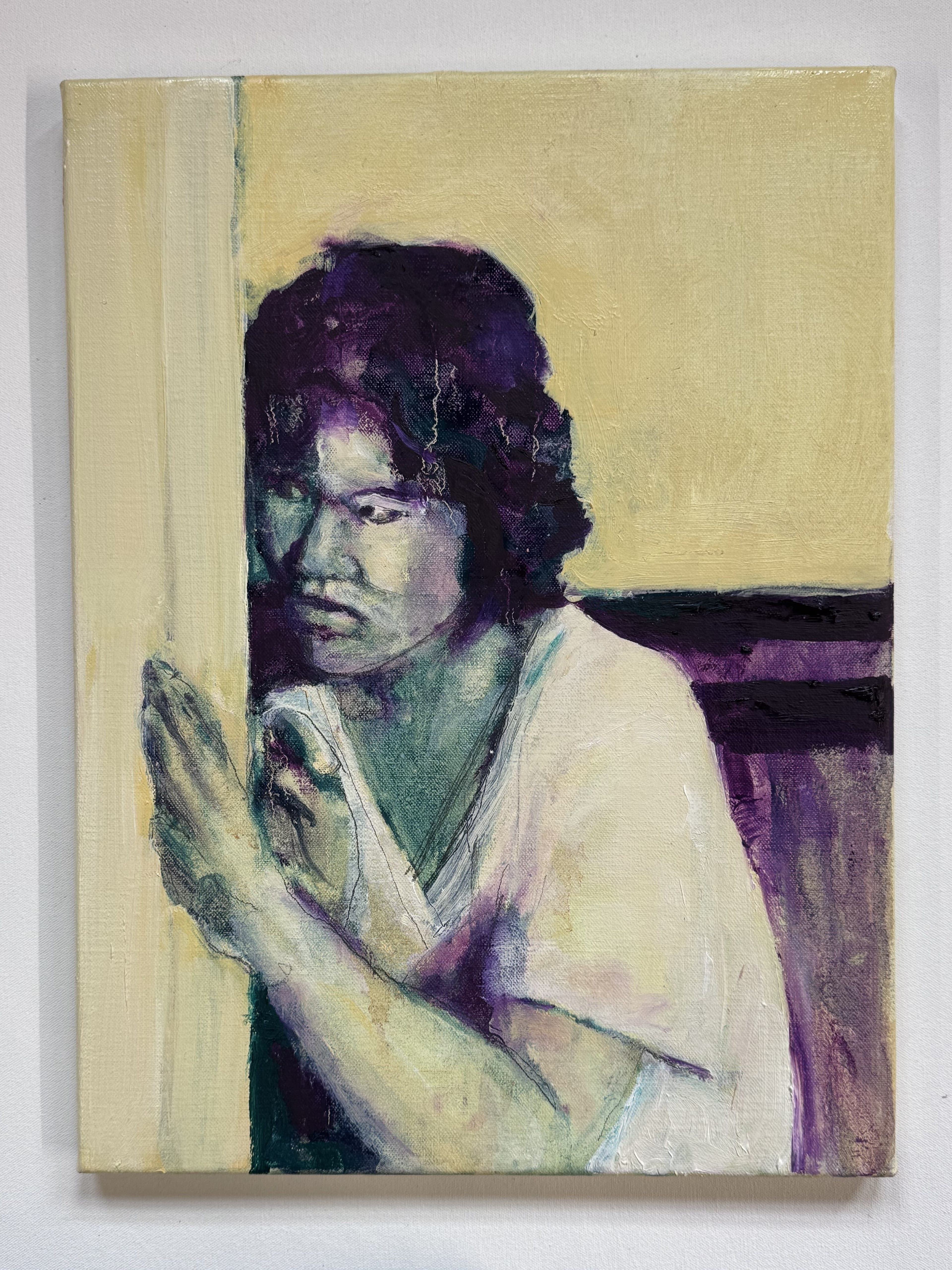
Dior’s approach marries experimental, spontaneous gestures and those drawn from careful observation. Underpinning all Dior's practice is the ritual of drawing. Working from life with flowers and people in day-to-day settings, on the tube, at concerts or cafes. Further inspiration comes from vintage photographs, Victorian postcards, stills from cinema and lyrics. Sketchbooks are readily filled with ink, charcoal, pastel and excess paints. Upon these pages he challenges and questions the direction of each day’s work. His process is physical and rhythmic. As oil paint dries so slowly Dior often adopts to work on canvases concurrently in his studio. Brushstrokes are never sacred with canvases regularly reworked – the battle conveying pathos. Marks are erased, glazes can disappear beneath fat, daubed impasto until finally a sense of satisfaction is achieved. He explores irony, love & loss, and the blurred line between fact and fiction. A portrayal of a couple kissing isn’t sugar-coated bliss but exposes the emotional jeopardy of the act.
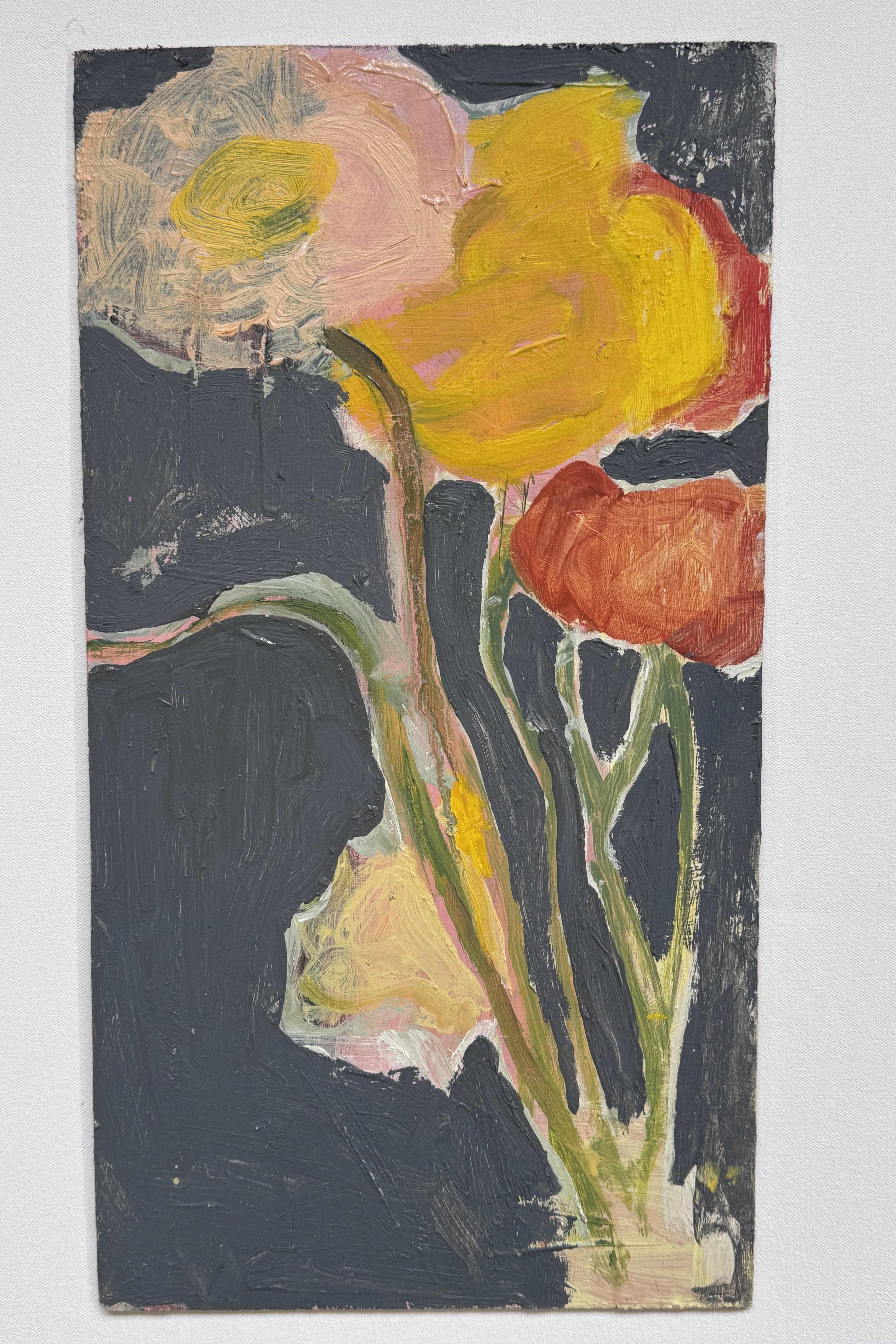
Questions of cyclical, human behaviour are pulled from source material. Their references act subtly as clues or signifiers to deeper historical, erroneous acts. Continuing psychological examination, Dior inflates an inner positivity with the studies of flora. Notably an annual production of blossoms. These works acknowledge the shared trauma of ‘lock down’ during Covid and the hope found in these cheerful clusters of bloom.
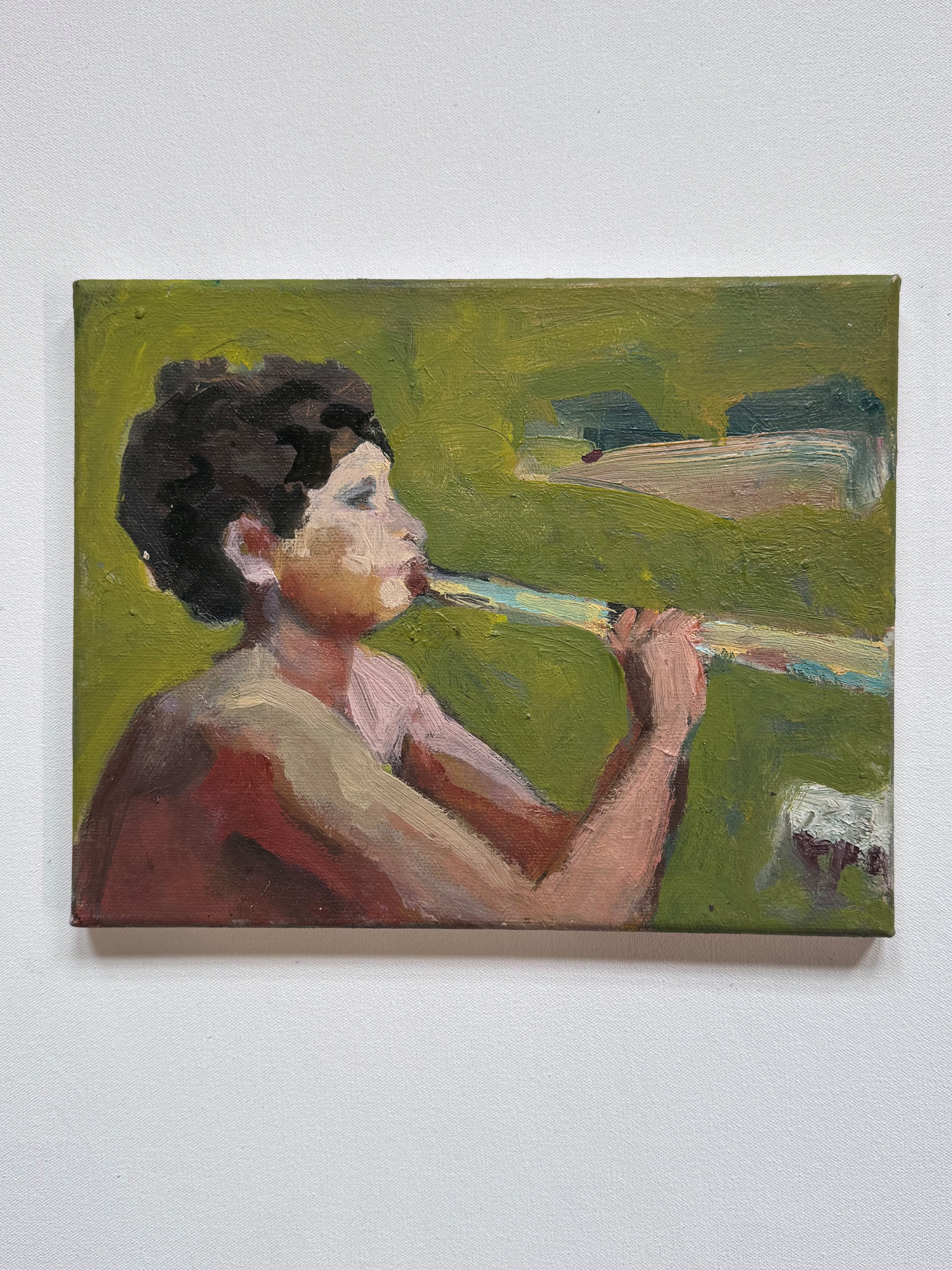
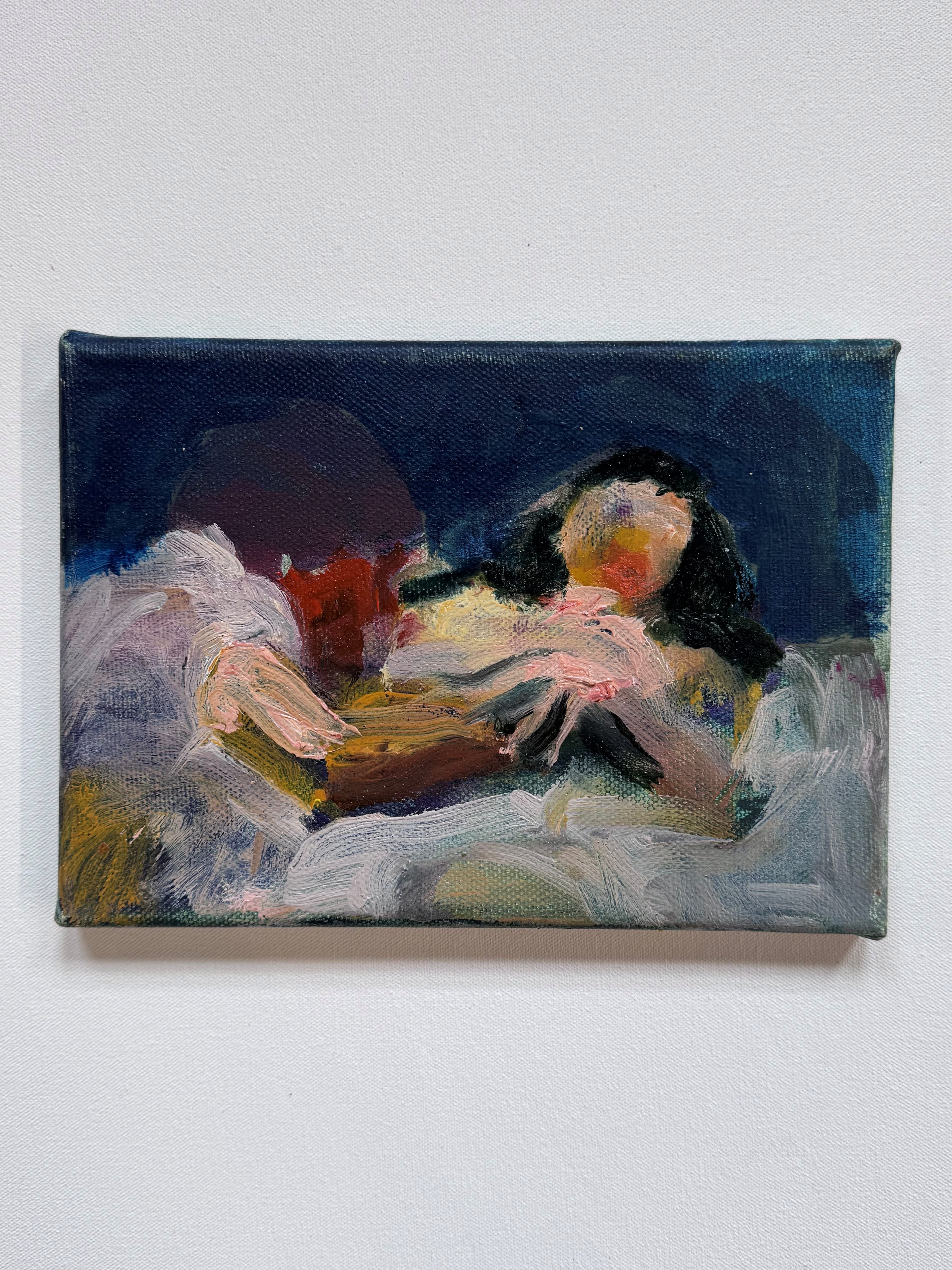
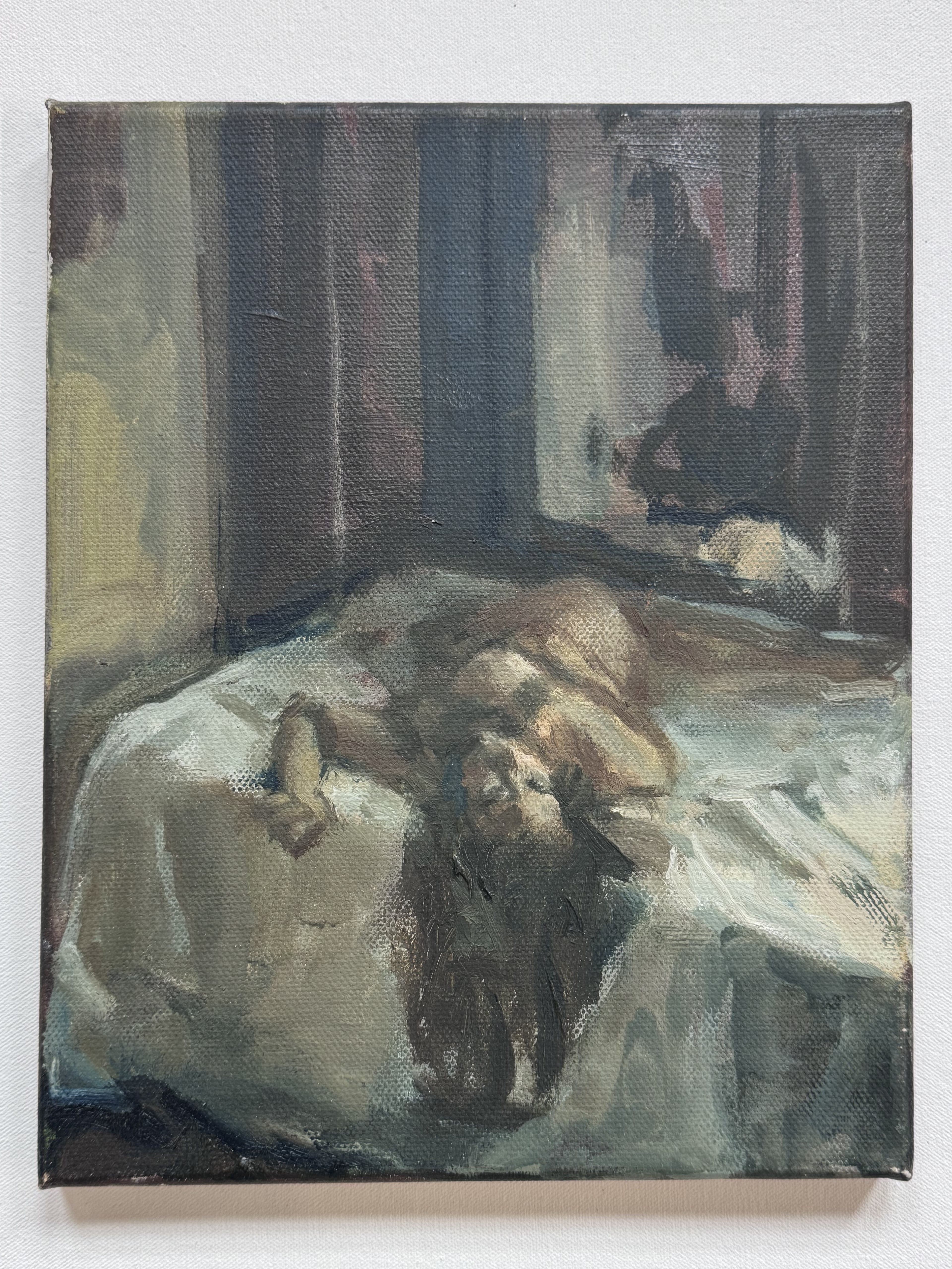
 Anna
Anna Archie
 Boaz
Boaz Ewan
Ewan